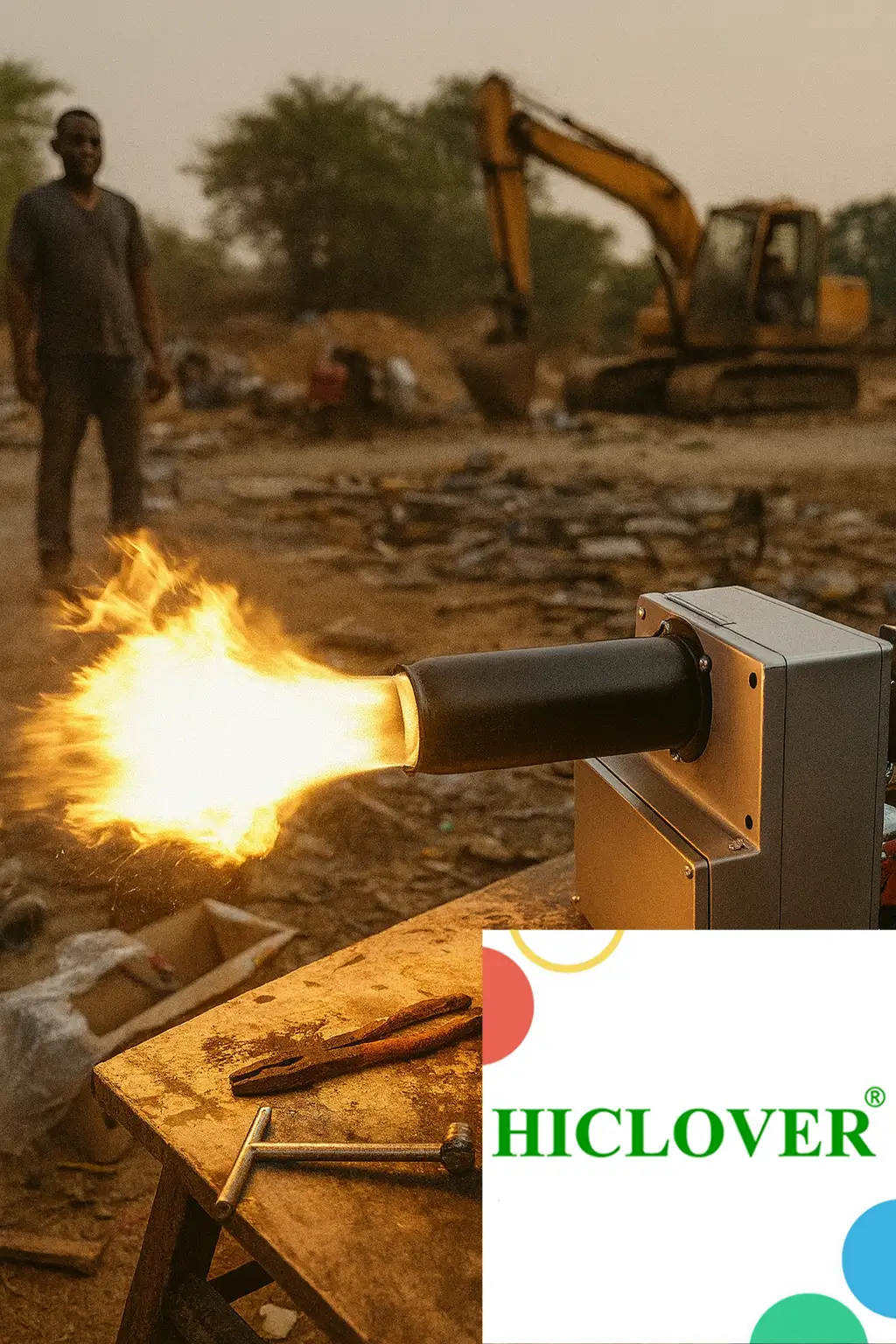
HICLOVER Waste Incinerators: A Technical Perspective on Small Incinerators, Features, and Applications
Introduction to Waste Incineration and Industrial Standards
Waste incineration is a waste treatment process that involves the combustion of organic substances contained in waste materials. This method is widely adopted to manage various types of waste, including medical, industrial, and animal waste. Industrial standards mandate specific temperature ranges for effective waste incineration. HICLOVER, a leading waste incinerator manufacturer, offers a range of products designed to meet these stringent standards while ensuring engineering reliability.
HICLOVER Waste Incinerators: Types and Features
Types of HICLOVER Waste Incinerators
HICLOVER manufactures different types of waste incinerators, such as medical waste incinerators, solid waste incinerators, industrial waste incinerators, and pet cremation incinerators. Each incinerator is designed and built to meet specific waste management needs, ensuring optimal combustion and reduced emissions.
Key Features of HICLOVER Waste Incinerators
- Containerized mobile incinerators
- Top loading incinerators
- Automatic incinerators with PLC control systems
- Diesel, natural gas, and LPG type incinerators
- Optional wet scrubber systems
- Multiple combustion chambers
- Heat recovery functions
Technical Parameters and Temperature Standards
HICLOVER waste incinerators comply with international temperature standards for efficient waste destruction. Secondary chamber temperatures can range from 850°C to 1100°C, while some specific medical waste incinerators reach temperatures as high as 1200°C. These high temperatures guarantee the destruction of harmful microorganisms and the reduction of waste volume.
Combustion Principles and Dual Chamber Explanation
HICLOVER incinerators employ a dual chamber design for effective waste combustion. The primary chamber breaks down the organic components through high-temperature oxidation, while the secondary chamber further eliminates any remaining pollutants. This two-stage process ensures optimal combustion and reduced emissions.
Regulatory Frameworks and Emission Control
HICLOVER waste incinerators comply with international regulatory frameworks, including WHO and EU emission standards. To minimize emissions, HICLOVER offers both wet and dry scrubber systems, ensuring the safe and environmentally responsible disposal of waste materials.
Benefits of HICLOVER Waste Incinerators
- Engineering experience and factory manufacturing capability
- Supply chain stability and customizable chamber volume
- Global export capability and mobile modular advantages
- Energy recovery systems and digital automation in industrial equipment
- Decentralized waste management solutions and remote site suitability
HICLOVER Waste Incinerator Website and Contact Information
Learn more about HICLOVER waste incinerators by visiting their official website or contacting them directly through the contact page.
Integration of HICLOVER Waste Incinerators into Current Trends
- Global infectious disease preparedness
- Crisis zones and humanitarian camps
- Carbon emission reduction pressure
- ESG compliance
- Remote mining/oil camps
- Decentralized waste management
- Supply chain resilience
HICLOVER waste incinerators address the evolving requirements of waste management in these areas by offering reliable, efficient, and eco-friendly incineration solutions. By integrating advanced technology, digital automation, and energy recovery systems, HICLOVER waste incinerators are at the forefront of modern thermal destruction and environmental responsibility.
Comments are closed